


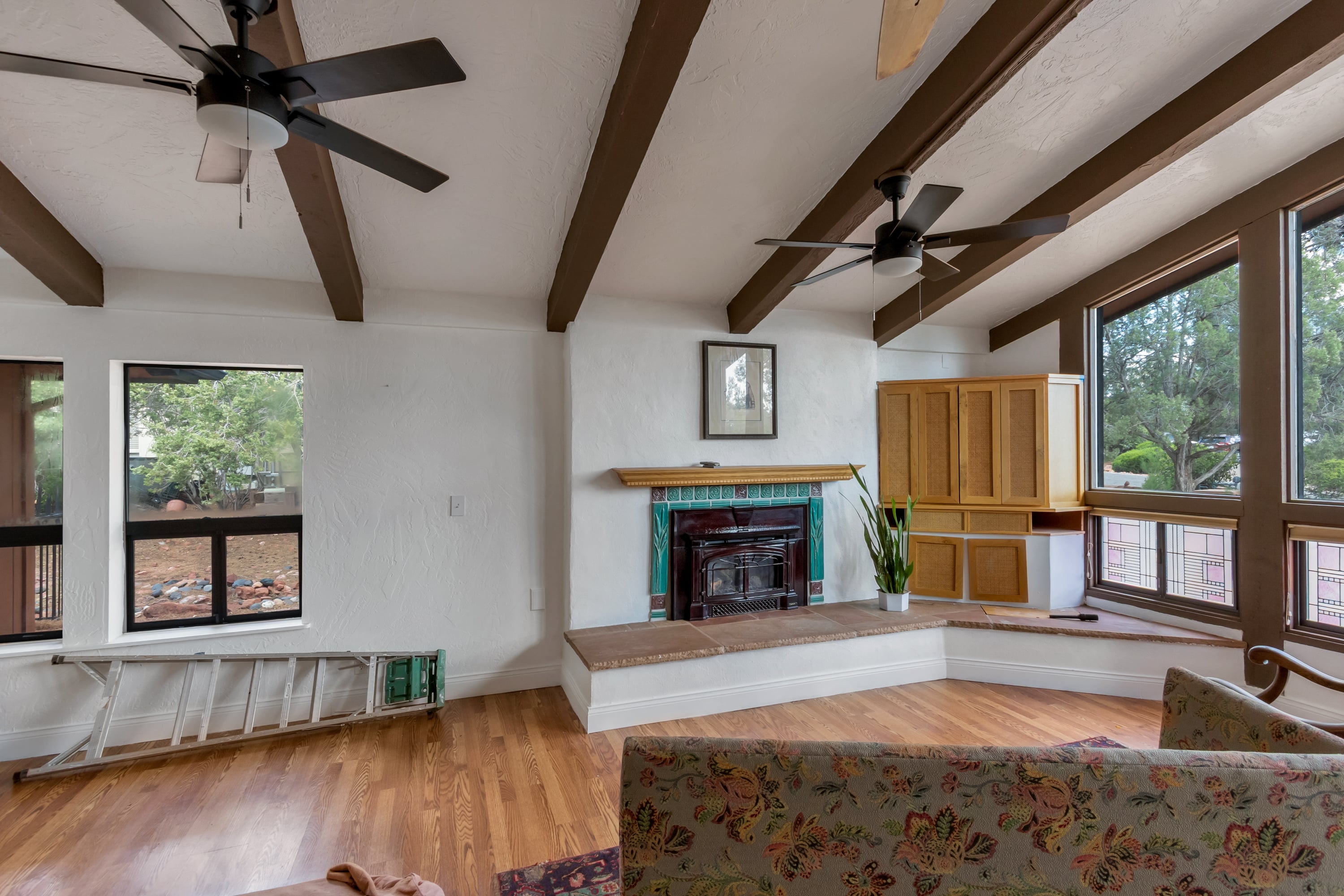
If you are preparing to sell a home in Sedona, you may be wondering whether you should make improvements before listing or simply sell the property as-is.
The right answer depends on the home, its condition, its likely buyer, and how it compares with competing properties. Some improvements can make a meaningful difference. Others may cost more than they return.
Can You Sell a Sedona Home As-Is?
Yes. Selling as-is generally means that the seller is offering the property in its present condition and does not intend to make repairs or improvements before closing.
That does not eliminate the seller’s disclosure responsibilities, and it does not prevent a buyer from conducting inspections. It simply establishes the seller’s position regarding repairs.
An as-is sale may make sense when:
- The home needs substantial renovation
- The seller prioritizes convenience or timing
- The property is likely to appeal to an investor or renovation-minded buyer
- The seller does not want to manage contractors
- The anticipated improvements are unlikely to produce a sufficient return
The tradeoff is that buyers may calculate the cost of repairs conservatively—and sometimes deduct more than the actual cost from what they are willing to offer.
Which Improvements Usually Matter Most?
Before investing in a major remodel, focus first on the items that affect a buyer’s confidence in the property.
In Sedona, those may include:
- Roof condition
- Heating and cooling systems
- Plumbing leaks or water damage
- Electrical concerns
- Septic-system condition, when applicable
- Exterior deterioration
- Drainage or grading concerns
- Wildfire defensible space
- Insurance-related issues
- Unpermitted additions or unclear square footage
A dated kitchen may not stop a buyer from purchasing a home. An active leak, an aging roof, or uncertainty about an addition can create a much larger obstacle.
Does a Sedona Home Need to Be Fully Remodeled?
Usually not.
Sedona buyers have different tastes, and expensive finishes selected by a seller may not be what the eventual buyer would choose. A complete renovation can also introduce delays, contractor complications, and the risk of over-improving for the property’s location or price range.
Smaller improvements often provide a better balance of cost and impact:
- Deep cleaning
- Removing excess furniture and personal items
- Touching up visibly damaged paint
- Repairing obvious maintenance items
- Improving exterior presentation
- Cleaning windows
- Updating worn light fixtures or hardware
- Making rooms feel brighter and easier to understand
- Addressing strong odors, stains, or damaged flooring
The goal is not always to make the home look new. It is to help buyers see that the property has been cared for.
What About Popcorn Ceilings, Older Cabinets or Dated Finishes?
Older finishes do not automatically need to be replaced.
The decision should be based on the home’s price point, competing inventory, and the likely buyer. If similar homes are renovated and presented beautifully, dated finishes may affect both showing activity and price. If the home offers a desirable location, views, land, privacy, or another difficult-to-replicate feature, buyers may be more willing to renovate after closing.
In many cases, pricing appropriately for the condition is more effective than completing a partial renovation that does not transform the overall impression of the home.
Should I Get a Pre-Listing Inspection?
A pre-listing inspection can be useful when the seller wants to identify potential surprises before going on the market.
It may provide time to:
- Obtain estimates
- Complete selected repairs
- Gather documentation
- Adjust the pricing strategy
- Prepare for likely buyer concerns
However, an inspection is not necessary for every property. The decision should be made with your real estate professional after considering the home’s age, condition, and the seller’s goals.
How Do I Decide What Is Worth Doing?
Before beginning improvements, ask:
- Will this issue concern buyers or their insurers?
- Will fixing it improve marketability or only appearance?
- Is the improvement appropriate for the home’s likely price range?
- Can the work be completed properly before listing?
- Would pricing for the condition produce a better financial result?
- Will the improvement make the home easier to photograph and show?
A local market analysis should be part of that decision. The most useful comparison is not simply what renovated homes sold for, but how the cost of reaching that condition compares with the likely increase in value.
The Best Strategy Is Specific to the Property
Sedona real estate is not one uniform market. Buyer expectations can change depending on whether the property is in West Sedona, Uptown, the Chapel Area, the Village of Oak Creek, Oak Creek Canyon, or another part of the Verde Valley.
Views, access, lot characteristics, septic or sewer service, short-term-rental rules, insurance considerations, and neighborhood restrictions can matter as much as cosmetic condition.
Before spending money, it is worth having a local real estate professional evaluate the home in its current condition. A thoughtful walk-through can help separate improvements that may strengthen your sale from projects that are unlikely to pay for themselves.
If you are considering selling a home in Sedona or the Village of Oak Creek, I would be happy to help you compare the as-is value with the potential value after selected improvements.
Lauren DePoe, REALTOR®
Coldwell Banker Realty | Sedona
Thoughtful representation. Modern marketing. Competitive fees.
Plan Your Sedona Home Sale
Put preparation decisions in context with a Sedona home value and pricing discussion. Then review how long selling a Sedona home can take and the steps to sell with Lauren DePoe.
Contact Lauren to discuss which improvements fit your property and selling timeline.
Check out this article next